Museums
In this section you will find all the museums associated with AMACI — public contemporary art museums that, by joining the Association, share its mission, network and initiatives, contributing together to the dissemination of contemporary art across the country.
-
Ca’ Pesaro
Venezia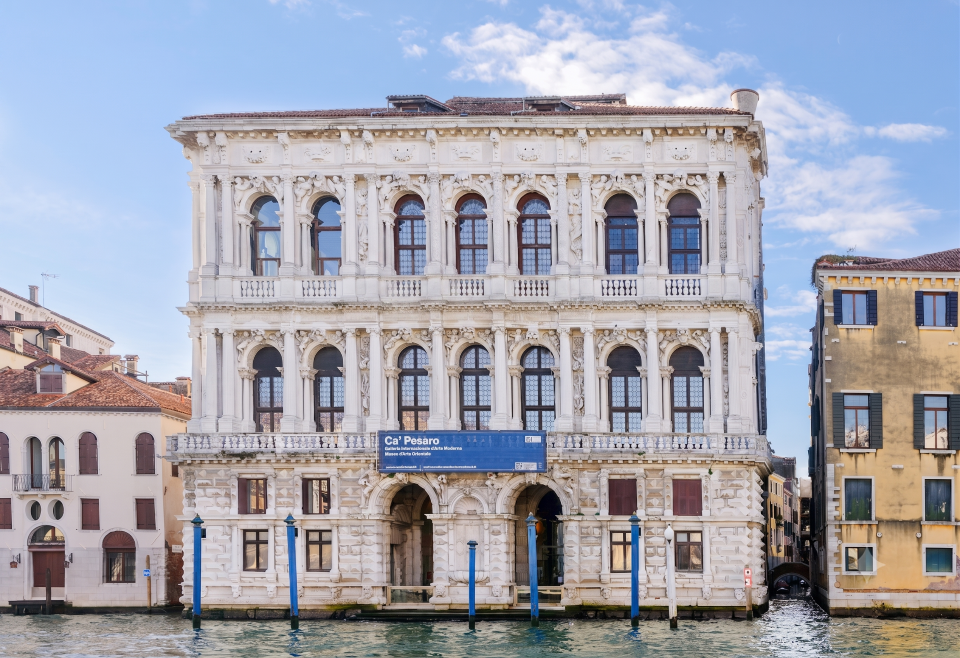
Housed since 1902 in the baroque palace of Ca’ Pesaro on the Grand Canal, the International Gallery of Modern Art in Venice holds an extraordinary collection of works. The itinerary is a journey through modern and contemporary art, encompassing masterpieces of international sculpture and painting acquired at the earliest Biennales. From historic avant-gardes such as Realism and Divisionism to the experimentation of the post-war and postmodern periods, the collection engages with the contemporary, not least through donations.
-
Castel Sant’Elmo
Napoli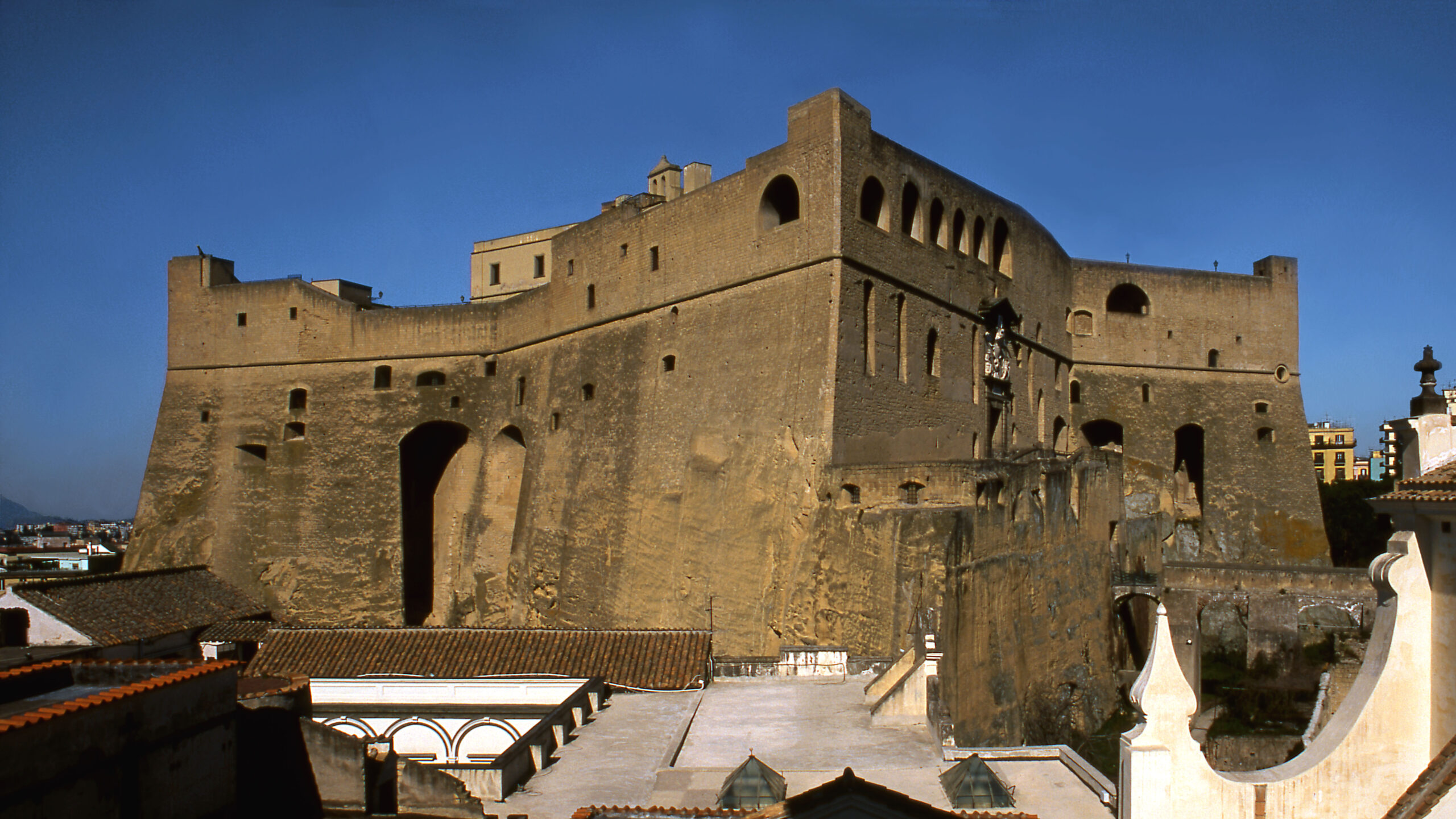
The earliest records identify Castel Sant’Elmo as an Angevin fortified residence, known as Belforte. Its present star-shaped configuration dates back to the sixteenth-century reconstruction commissioned by Pedro de Toledo during the Spanish viceroyalty, based on a design by Pedro Luis Escrivà. Today, the castle is a venue dedicated to contemporary art: the Piazza d’Armi hosts site-specific installations and artworks that engage in dialogue with the architecture and the landscape, transforming the fortress spaces into an original open-air exhibition route. Since 2010, it has also housed the ‘Novecento a Napoli’ museum, with a permanent collection of works by artists from Naples or active in the city.
-
Castello di Rivoli
Rivoli (TO)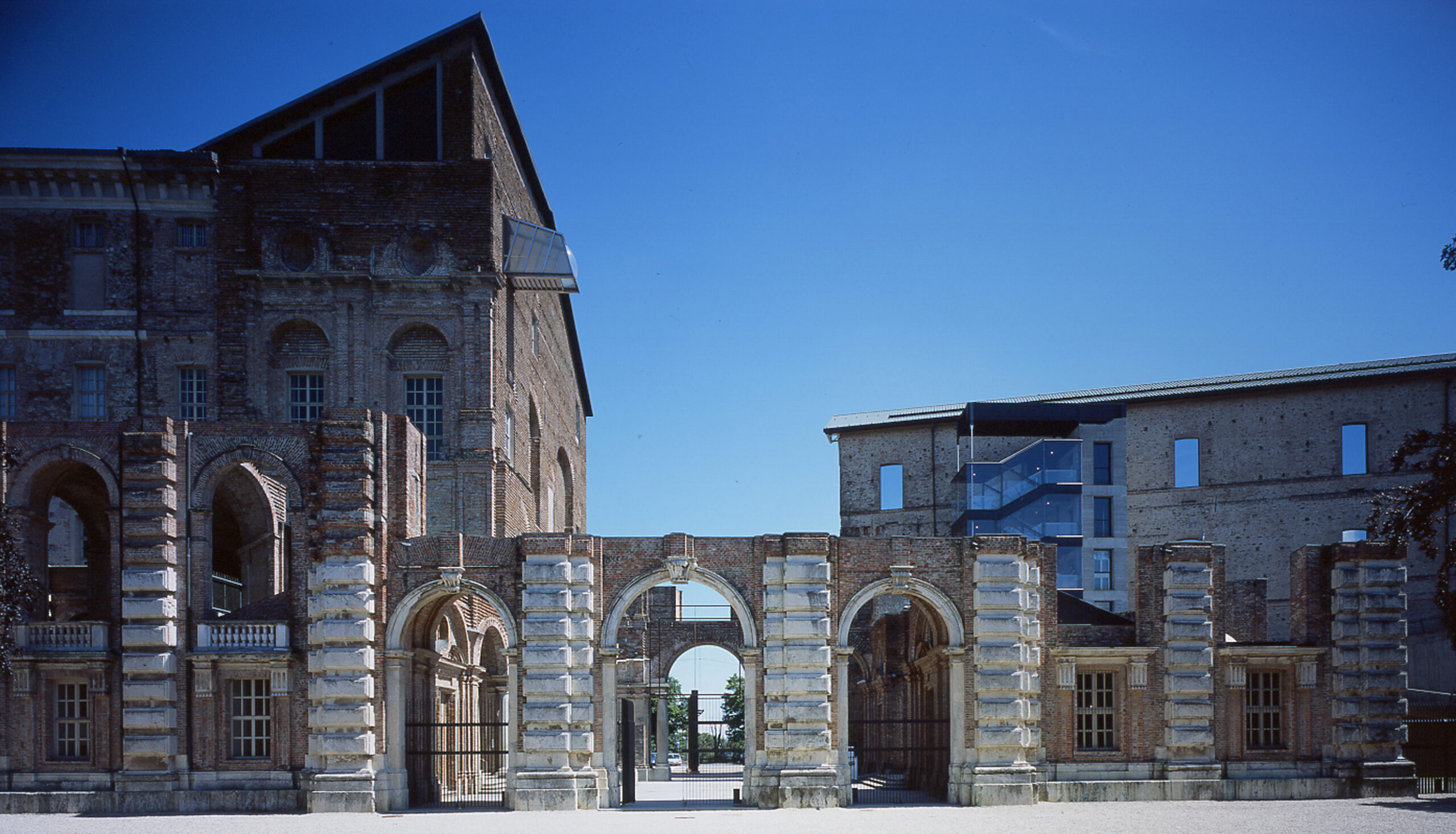
Founded in 1984 as the first Italian museum dedicated exclusively to contemporary art, Castello di Rivoli Museo d’Arte Contemporanea is housed in the historic building designed by Filippo Juvarra, where architectural heritage and contemporary art weave together in a dialogue unique in the world. The Collection comprises masterpieces by leading international artists, from the 1960s to the present day, documenting the principal developments in contemporary art, from Arte Povera to digital practices. The Castello has a rich programme, which includes solo and group temporary exhibitions, the production of newly commissioned works, the publication of books and catalogues, educational projects, as well as research, training and outreach activities.
Photo © Paolo Pellion
-
Centro Pecci
Prato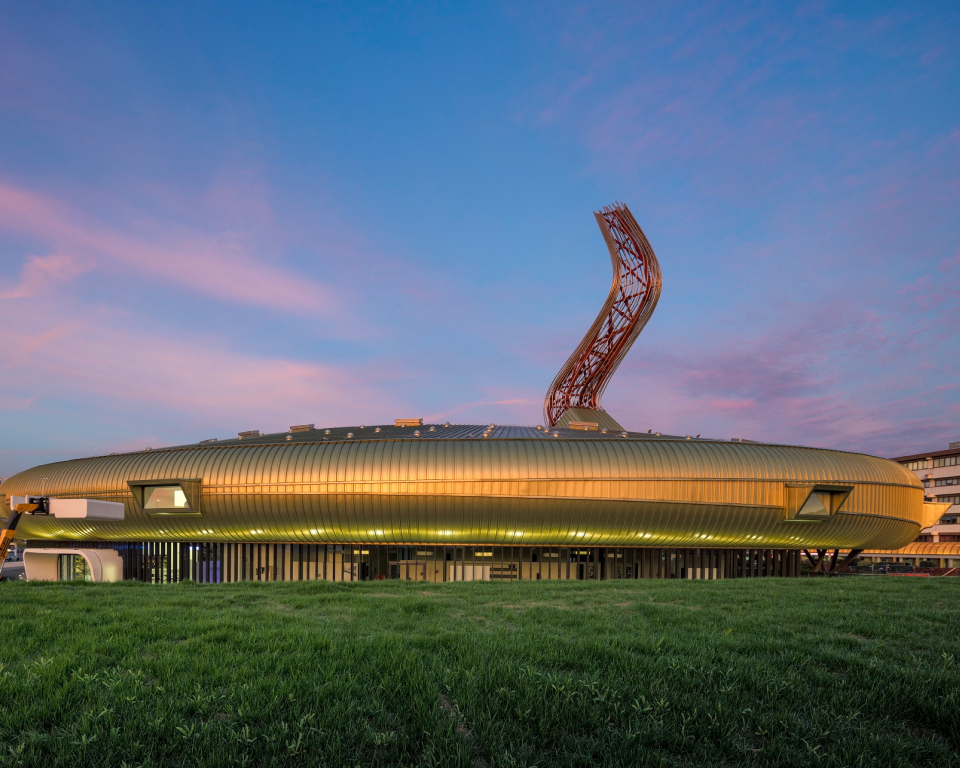
Since 1988, the Centro per l’arte contemporanea Luigi Pecci has been an international point of reference for the production, research and dissemination of contemporary art in Italy. Temporary exhibitions, the permanent collection, cinema, the CID / Archivio Biblioteca, educational activities and events, the bookshop and the playground all bring the arts into dialogue with one another. On behalf of the Regione Toscana, it promotes and supports contemporary art across the region, offering a space open to experimentation and engagement with the present.
Photo © Fernando Guerra -
Fondazione Ago
Modena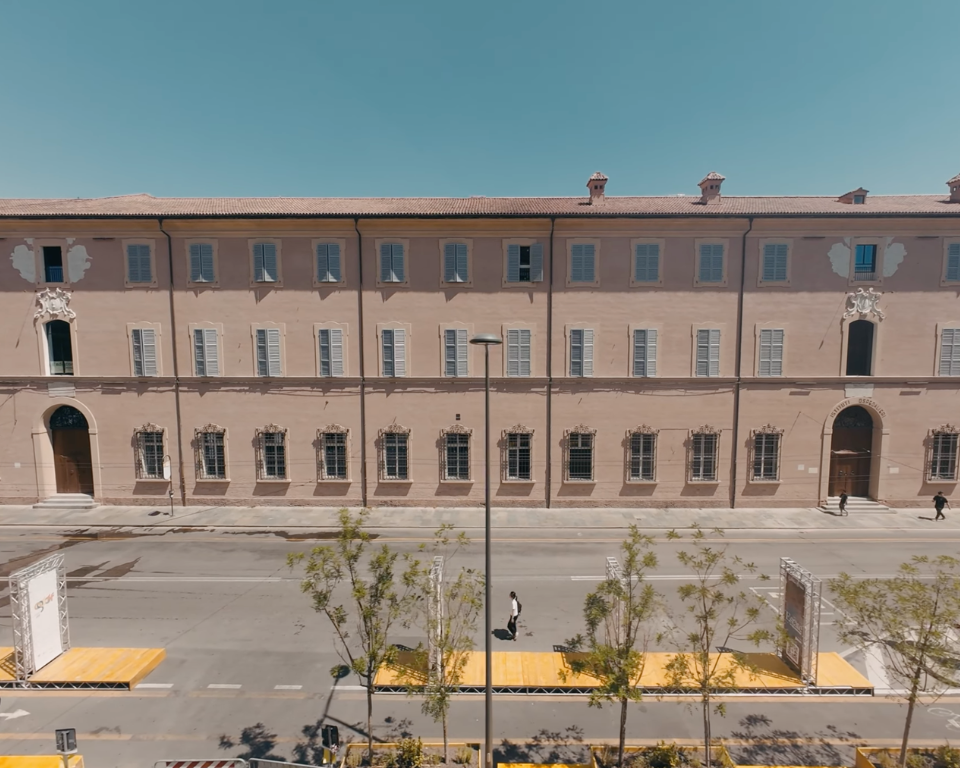
Fondazione Ago Modena Fabbriche Culturali is a Third Sector Entity (ETS) whose founding members are the Comune di Modena, Fondazione di Modena and the Università degli Studi di Modena e Reggio Emilia. It promotes the city’s cultural and creative vocation through exhibitions and itineraries spanning the visual arts, the humanities, science and innovation, bringing together the experience and collections of FMAV Fondazione Modena Arti Visive, Galleria Civica, Fondazione Fotografia and Museo della Figurina. From 11 December 2026, Ago will be based in the eighteenth-century complex of the former Ospedale Sant’Agostino, following restoration works overseen by Carlo Ratti for Fondazione di Modena.
-
Fondazione Pino Pascali
Polignano a Mare (BA)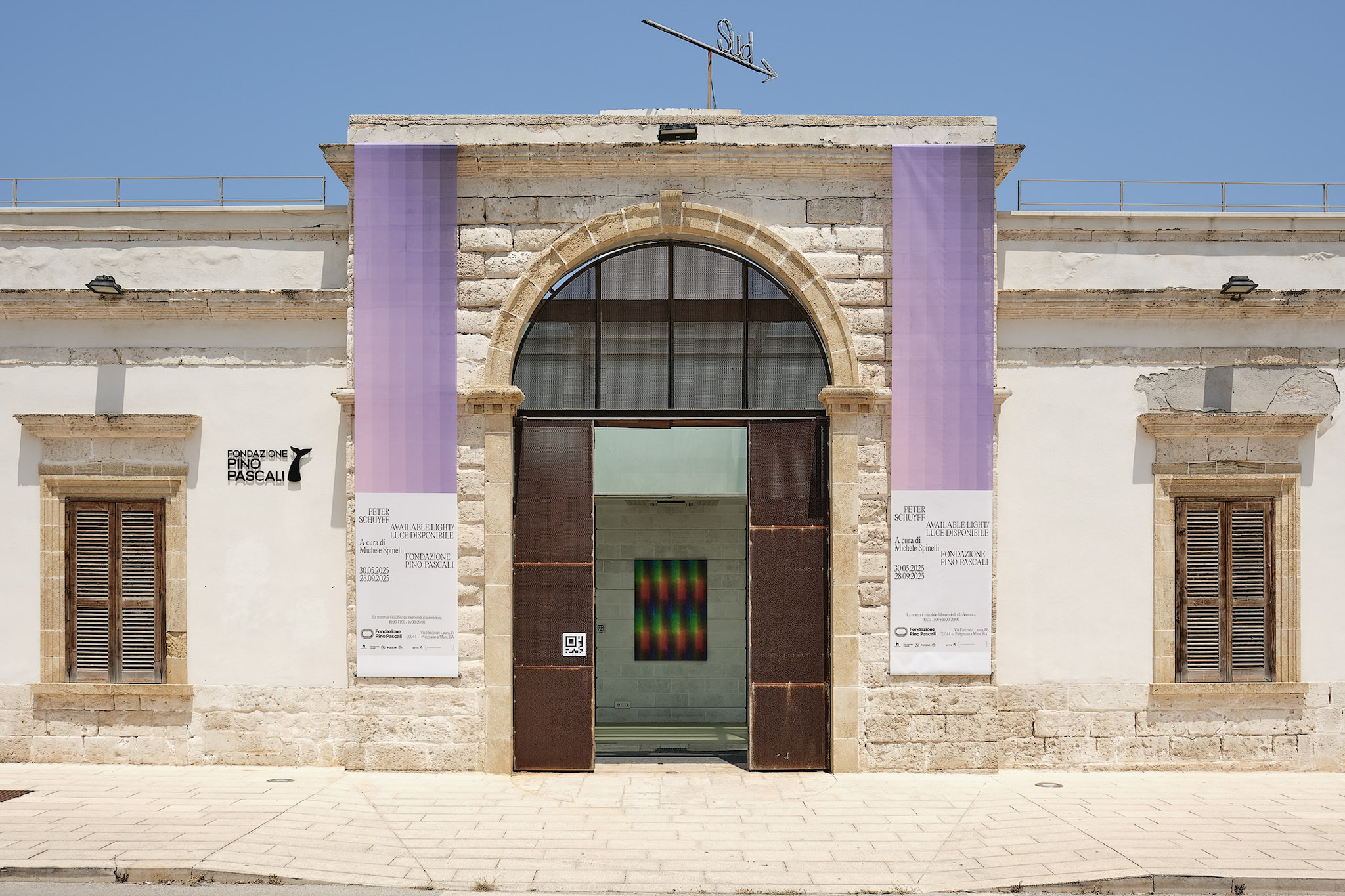
The Pino Pascali Museum was founded in 1998, thanks to the bequest of the artist’s works and memorabilia by his family. In 2010 it became the Pino Pascali Foundation, jointly supported by the Puglia Region and the Municipality of Polignano a Mare, housed in a restored former municipal slaughterhouse on the seafront. Dedicated to Pino Pascali, one of the foremost figures in Italian art of the 1960s, the Foundation exhibits works by the artist, by the most significant Apulian artists, and by winners of the Pascali Prize. In 2013 it received First Prize for Best Contemporary Art Foundation in Italy.
-
Galleria Spazzapan
Gradisca d'Isonzo (GO)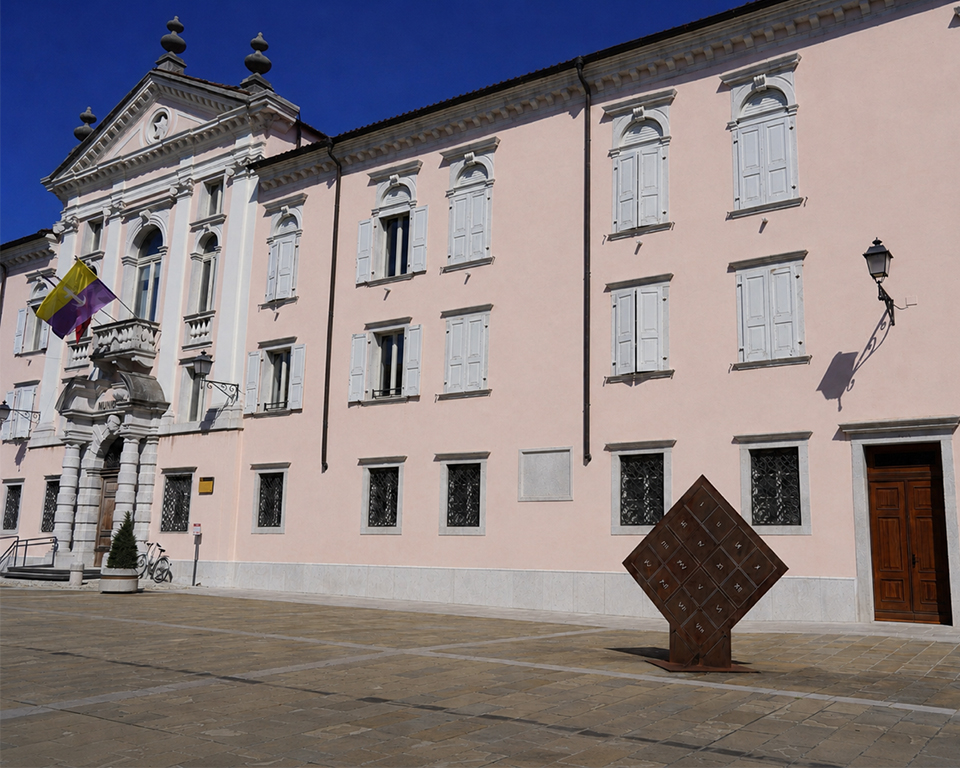
The Galleria Regionale d’Arte Contemporanea Luigi Spazzapan, inaugurated in 1977 in the historic Palazzo Torriani in Gradisca d’Isonzo (GO), is the principal museum in Friuli Venezia Giulia dedicated specifically to contemporary art. Managed by ERPAC, through an agreement with the Comune di Gradisca d’Isonzo and the Fondazione Carigo, it holds the most important body of works by Luigi Spazzapan, alongside collections documenting regional artistic research from the twentieth century to the present day. Alongside its exhibition activity, it promotes regional artistic research through the Together/Insieme project, and training and experimentation through the new SpazioLab, confirming its role as a place of encounter, cultural production and the promotion of contemporary art.
Photo © ERPAC, Emmanuel Cuccu -
GAM Torino
Torino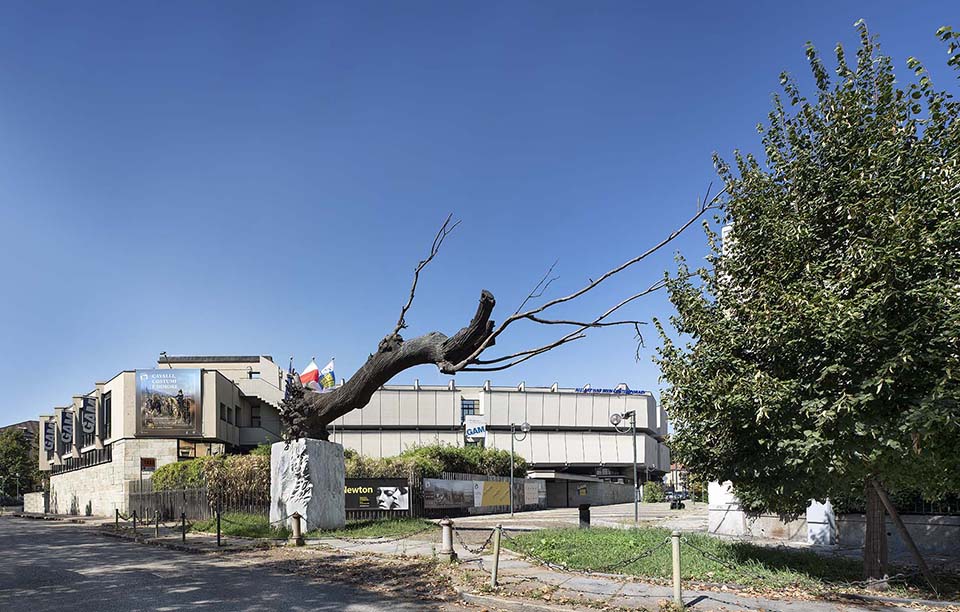
The GAM – Galleria Civica d’Arte Moderna e Contemporanea in Turin holds one of the most important collections of modern and contemporary art in Italy, with works from the eighteenth century to the present day. The visitor route spans nineteenth-century art, the historic avant-gardes, Informale, Arte Povera and on into contemporary practice. Alongside its permanent collection, the museum offers a rich programme of temporary exhibitions and is home to one of the most important art video archives in Italy, as well as the Biblioteca d’Arte and the Archivio Fotografico of the Fondazione Torino Musei, confirming its role as a place of research, education and participation.
-
GAM Verona
Verona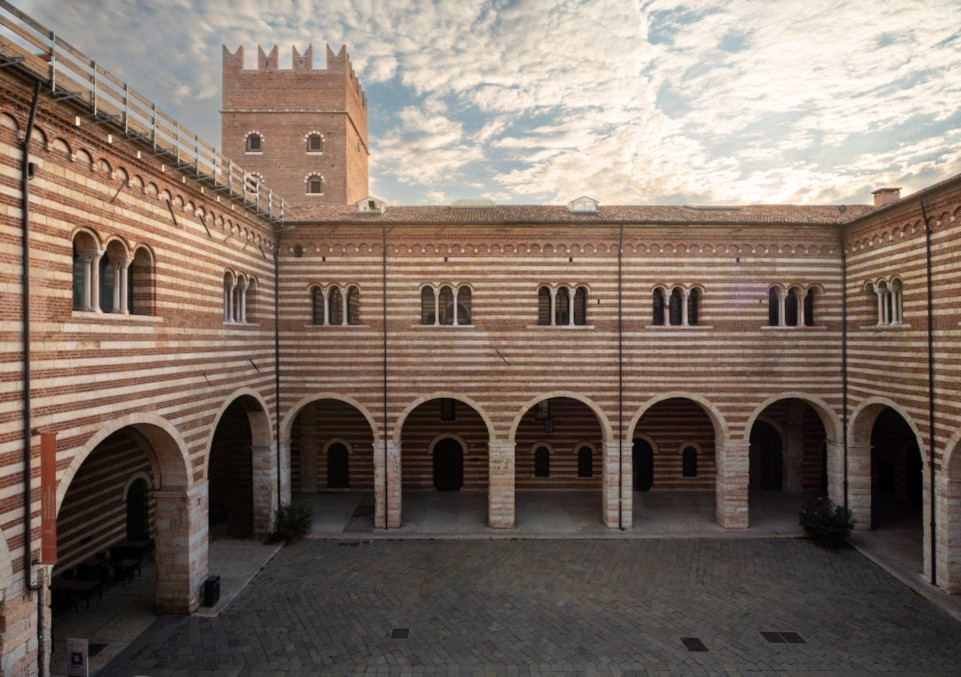
Housed since 2014 in the historic Palazzo della Ragione, restored to a design by Tobia and Afra Scarpa, the Galleria d’Arte Moderna Achille Forti holds over 1,700 works, the result of donations, acquisitions and bequests. The exhibition route traces the evolution of Italian and international art between the nineteenth and twentieth centuries, through to the contemporary period, with masterpieces by Hayez, Morbelli, Medardo Rosso and Casorati, alongside a prestigious contemporary art collection featuring works by Cindy Sherman, Vanessa Beecroft, Spencer Tunick and Giulio Paolini, in one of Verona’s most iconic locations.
-
GAMeC
Bergamo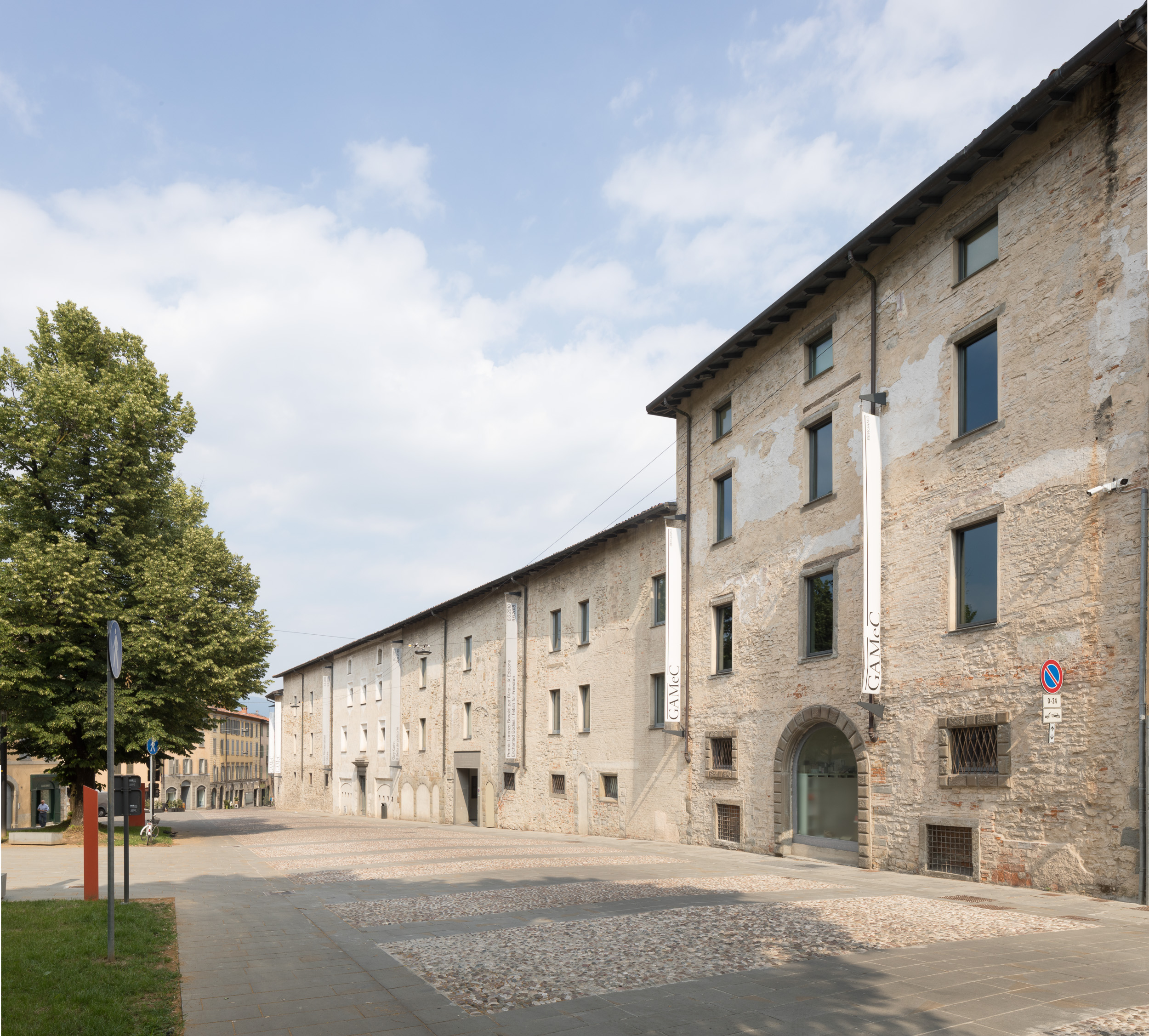
The GAMeC – Galleria d’Arte Moderna e Contemporanea di Bergamo was opened in 1991. Over the years, diversified planning has transformed it into a versatile space that draws many types of visitors with its targeted activities. Temporary personal and collective exhibitions by international artists, and an intense calendar of fringe activities designed for different types of users are among the strong points of the Gallery’s cultural policy. It is a dynamic place for debate, analysis, and cultural integration, and one evolving daily.
Photo © Giulio Boem -
Istituto Centrale per la Grafica
Roma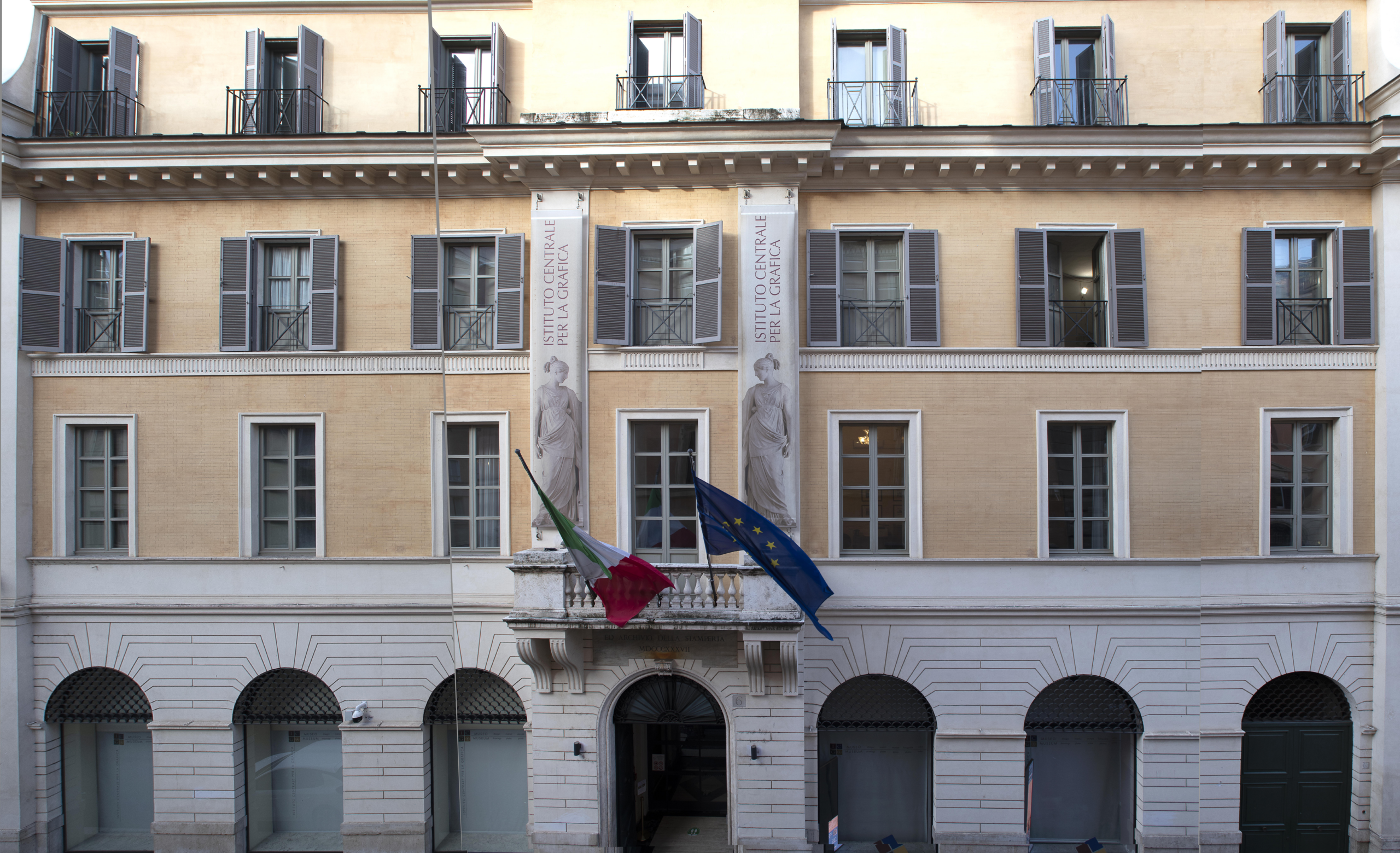
The Istituto Centrale per la Grafica (Central Institute for Graphic Art) of the Ministry of Culture is the leading public institution in Italy for the study and conservation of graphic works, from antiquity to the present day. Established in 1975 through the merger of the Gabinetto Nazionale delle Stampe (National Print Cabinet) and the Calcografia Nazionale (National Chalcography), it has, since its creation, demonstrated the capacity of graphic art to adapt to contemporary sensibilities through its collections. Comprising donations, acquisitions, competitions and commissions, these collections include a wide range of works: drawings, prints, engraved plates, photographs, artists’ books, multiples, video art and installations.
-
Kunsthaus Merano
Merano (BZ)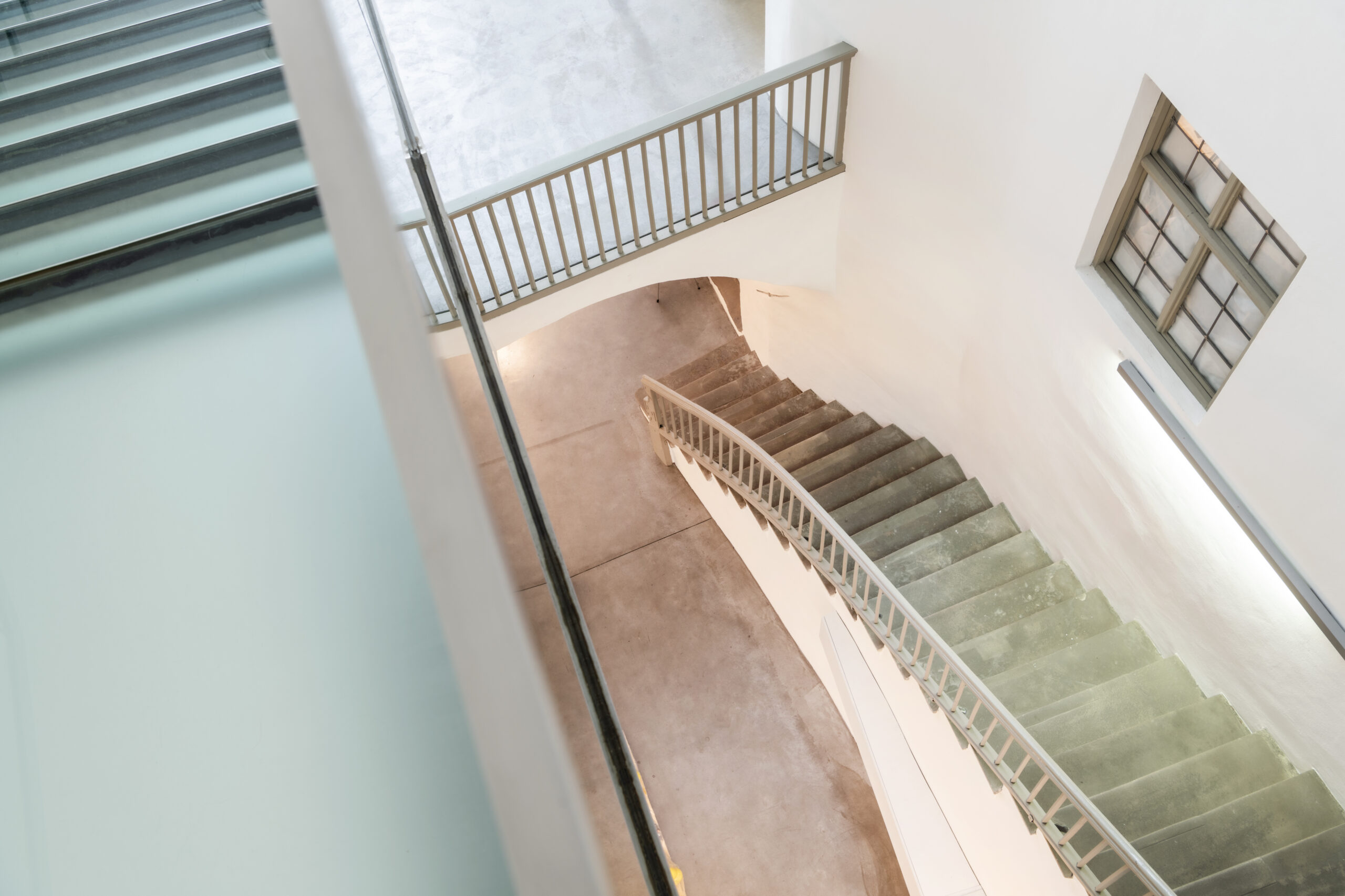
Kunsthaus Merano, in South Tyrol, is a space dedicated to contemporary art and architecture. Here, we present, discuss and bring into dialogue contemporary artistic research, engaging with the social, cultural and aesthetic issues of our time. Among the region’s longest-standing and most active art institutions, the Kunsthaus combines a strong local rootedness with an international outlook, with particular attention to artistic production and critical debate.
Photo © Ivo Corrà -
MA*GA
Gallarate (VA)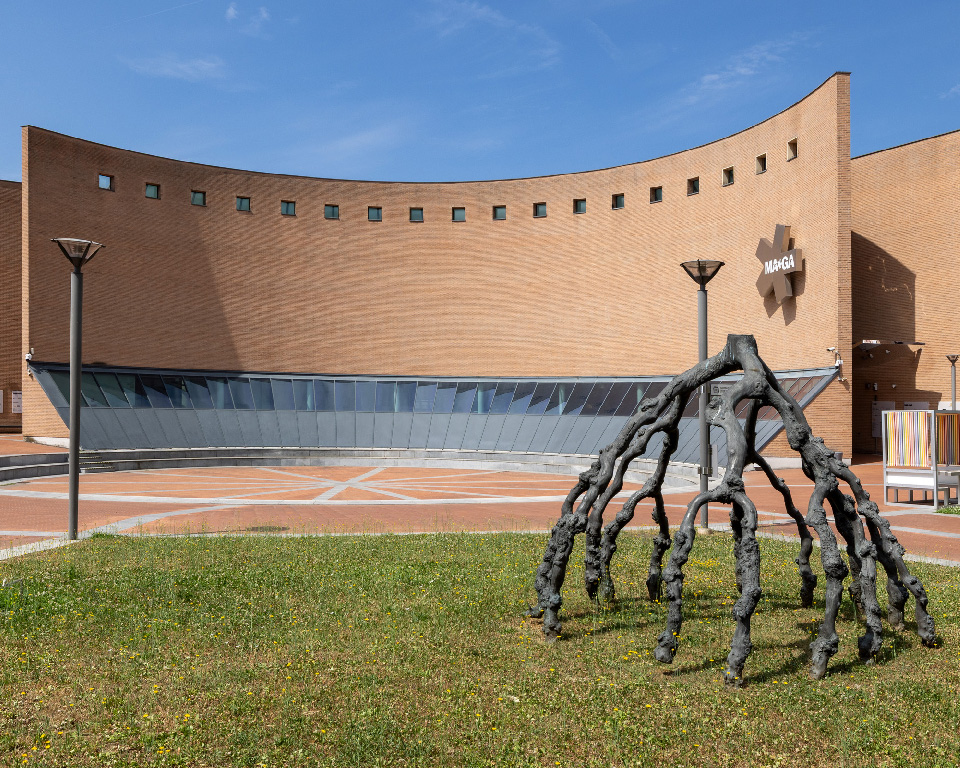
The MA*GA Museum is one of the leading Italian institutions dedicated to modern and contemporary art: recognised by the Ministry of Culture as an Institute of National Cultural Significance, it holds a collection of over seven thousand works dedicated to Italian art from the post-war period to the present day. The museum’s activity is further characterised by an art library, specialist archives, an education department established in 1997, and Italia 2050, a research centre dedicated to Italian art that brings together scientific and educational activity through exhibitions, publications and projects accessible to all audiences.
-
MAC Lissone
Lissone (MB)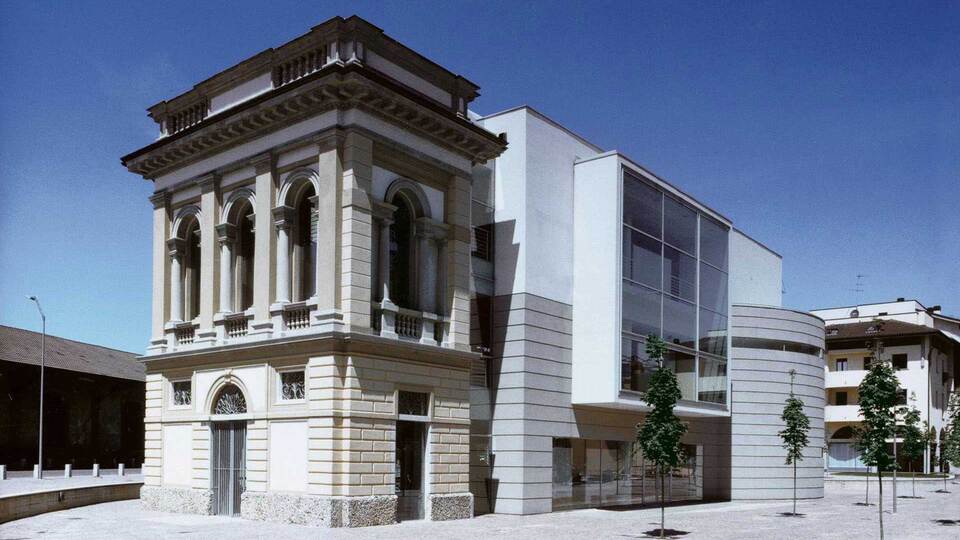
The MAC – Museum of Contemporary Art of Lissone, opened in 2000, houses a substantial body of works stemming from the extraordinary history of the historic Premio Lissone (1946–1967). Supported by the most highly regarded international critics, the Prize was a genuine point of reference for the most advanced artistic research of its time. It was from this that the Museum’s historic collection was born, comprising works by artists of great significance. Alongside the Collection, the MAC organises contemporary art exhibitions and hosts cultural events, including the Premio Lissone for art and the Premio Lissone Design. The museum offers a cultural mediation service and features an in-house book corner for on-site reading.
-
MACRO
Roma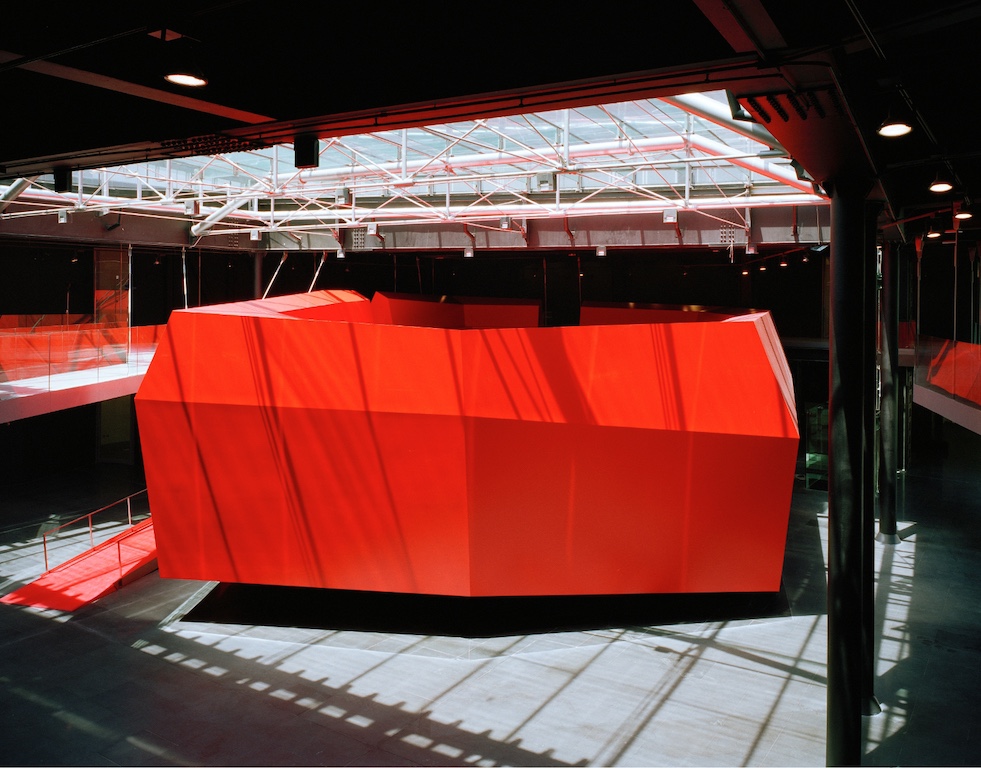
MACRO is Rome’s museum of contemporary art, a space for research, experimentation and cultural production open to the city. Housed in the former Peroni Brewery premises, with an extension designed by Odile Decq, it promotes exhibitions, performances, residencies and educational activities, bringing visual arts, cinema, music and research into dialogue with one another. Rooted in Rome’s urban context and with a strong international vocation, the museum welcomes leading figures in contemporary art and interprets present-day cultural transformations.
Photo © Luigi Filetici -
MACTE
Termoli (CB)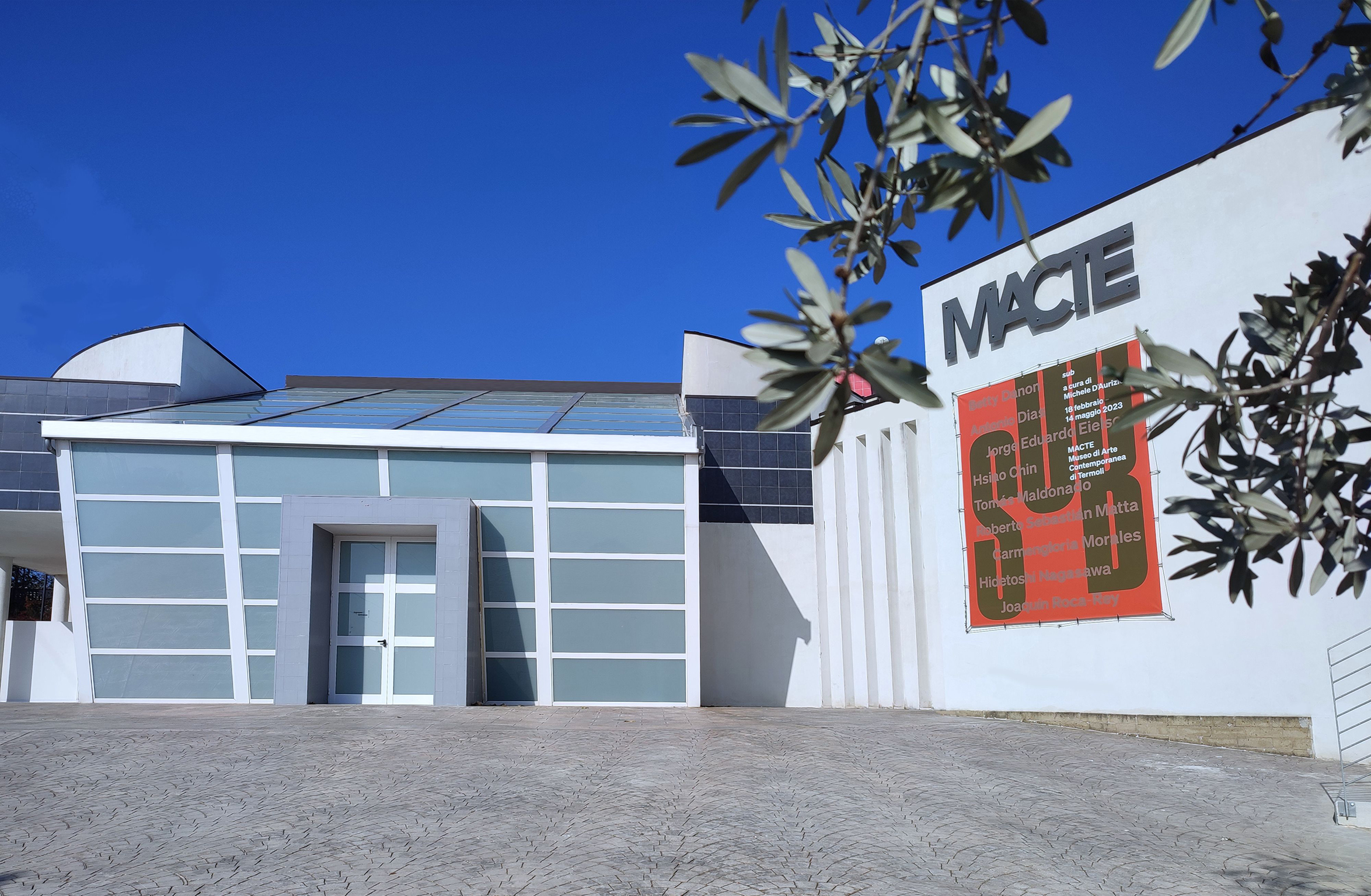
MACTE – Museum of Contemporary Art of Termoli – was established in 2019 with the aim of promoting contemporary art and culture, enhancing and managing the heritage of the Premio Termoli collection, one of the longest-running and most prestigious Italian art prizes, founded in 1955. Thanks to the acquisition-prize format, the winning works became part of a collection documenting over seventy years of contemporary artistic research. The museum is housed in a building created through the redevelopment of a former local market, transformed into an exhibition space dedicated to contemporary art. It organises temporary exhibitions, educational activities, talks, workshops and research projects, fostering dialogue between artists and the public, and collaborating with national and international cultural institutions.
-
Madre
Napoli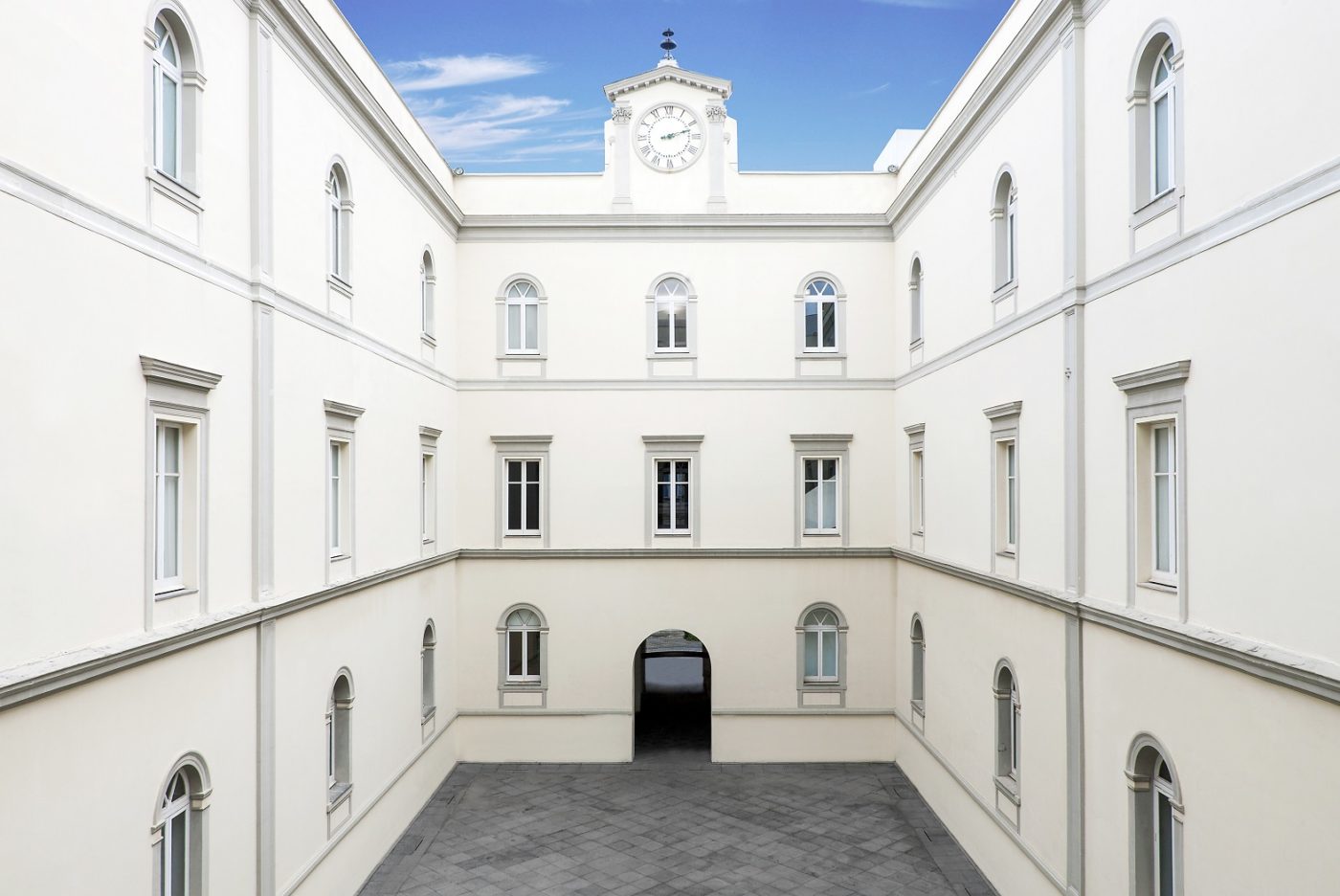
Madre – Museo d’Arte Contemporanea Donnaregina – is Naples’ first museum of contemporary art. Run by the Fondazione Donnaregina per le arti contemporanee, it is housed in the historic Palazzo Donnaregina, purchased by the Regione Campania in 2005. A witness to a history that made the city a crossroads of contemporary art, Madre houses a Permanent Collection with site-specific installations, alongside temporary exhibitions exploring present-day questions on an international scale.
Photo © Amedeo Benestante -
MAMbo
Bologna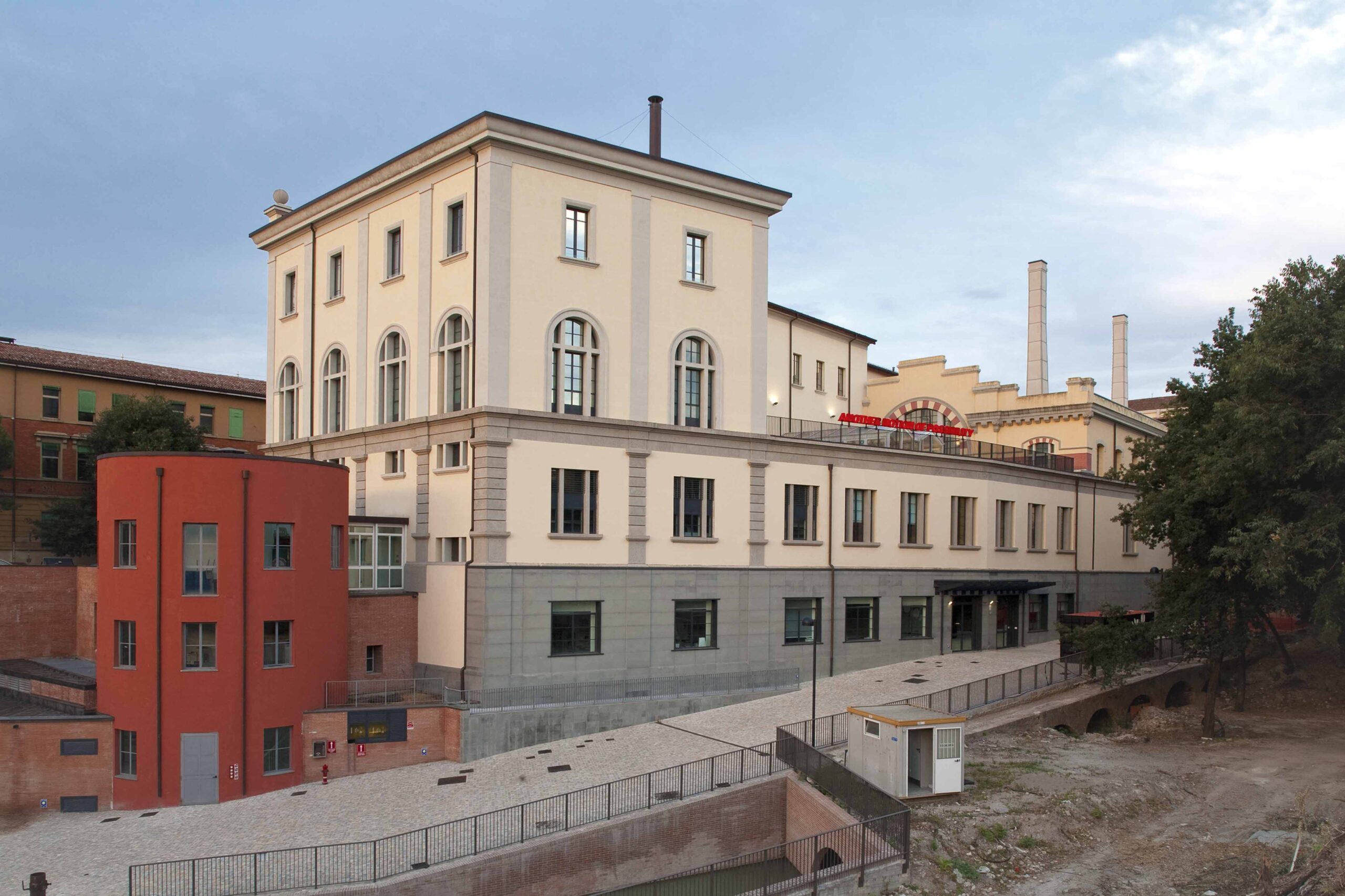
MAMbo – Museum of Modern Art of Bologna, opened in 2007, falls under the Modern and Contemporary Art Area of the Bologna Municipality’s Civic Museums Sector. With its extensive spaces dedicated to visual culture and experimentation, it collects, preserves, studies, communicates and exhibits its artistic heritage. The museum’s permanent collection offers an interpretation of Italian art through the history of the Galleria d’Arte Moderna di Bologna and subsequent acquisitions, from the 1950s through to the most recent developments. Temporary exhibitions are held in the Sala delle Ciminiere and the Project Room.
Photo © Matteo Monti -
MAN
Nuoro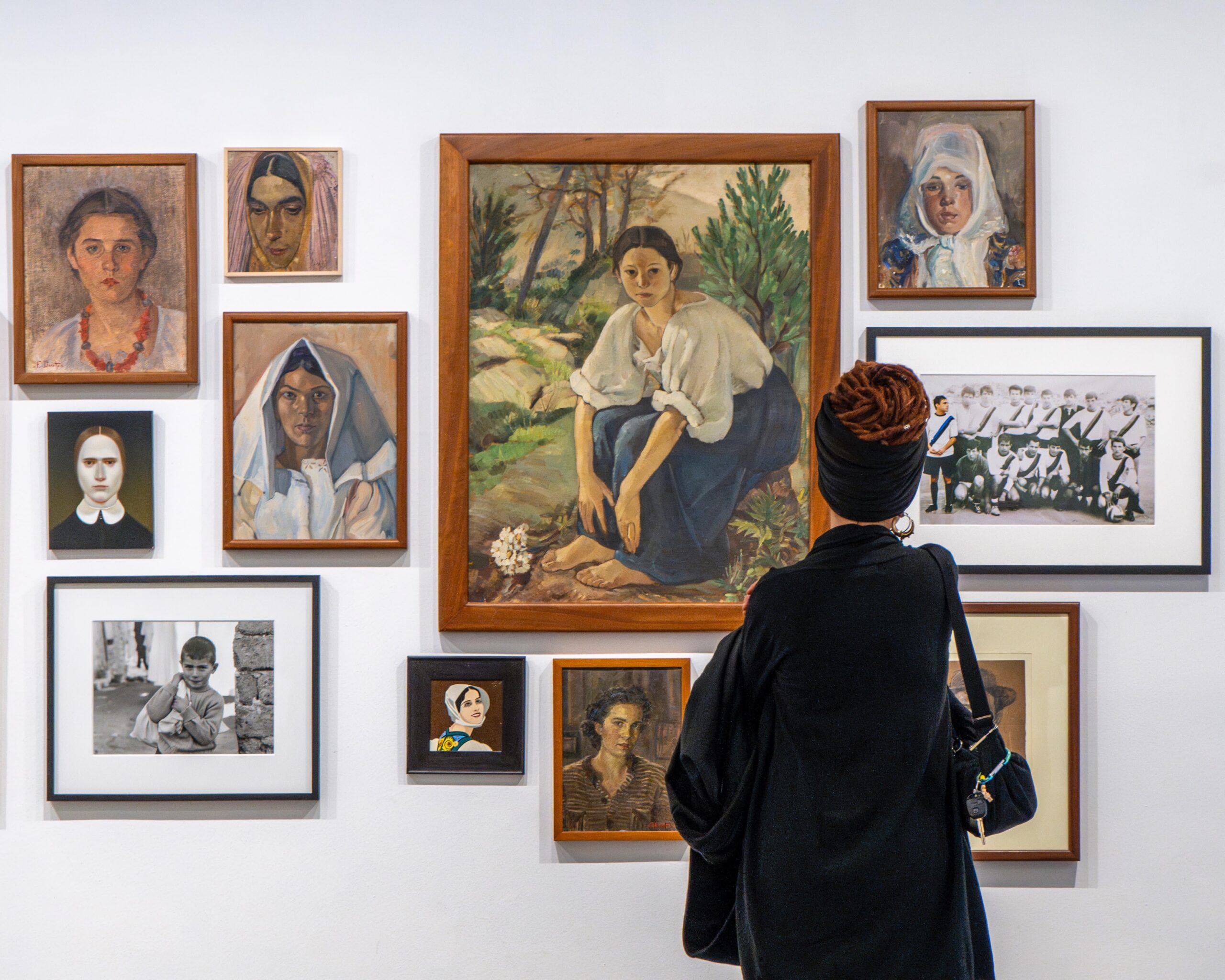
The MAN is a public institution dedicated to the research, conservation and promotion of modern and contemporary art. For 27 years, the museum has pursued its cultural objectives through activities carried out both within the museum itself and across the wider territory: it develops itineraries dedicated to the masters of the past, alongside projects exploring the languages of the contemporary, with particular attention to the themes of our time. Alongside the care of its heritage – which comprises over a thousand works of Sardinian art – it develops mediation and educational programmes for diverse audiences. The idea of an “open museum”, accessible and multifaceted, makes the MAN a permanent laboratory of critical analysis, experimentation and sharing, one that draws on the spirit of the place while looking out towards the global horizon.
Photo © Alessandro Moni -
Mart
Rovereto (TN)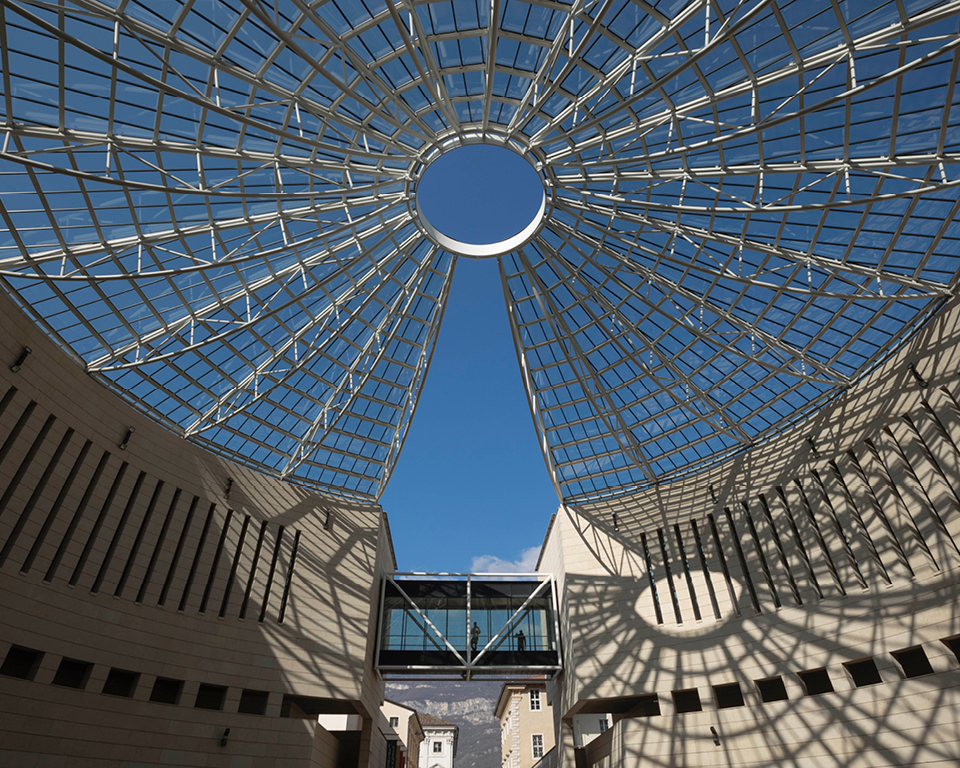
In the heart of magnificent Trentino, the Mart in Rovereto opened in December 2002 and today represents one of Italy’s leading museums dedicated to modern and contemporary art. Made up of twenty thousand works, its holdings span the last 200 years of art history, with particular attention to Italian developments. From the nineteenth century to the Transavantgarde, the Collections include important groups dedicated to Futurism, Metaphysical Art and the Italian Novecento movement, Abstraction, verbal-visual languages, and Arte Povera. Alongside the works are dozens of archival and library collections, preserved by the Archivio del ‘900, the Mart’s research centre. Each year the museum stages dozens of temporary exhibitions and runs two satellite venues: the Casa d’Arte Futurista Depero, in Rovereto’s historic centre, and the Galleria Civica di Trento, located just a few steps from Piazza del Duomo in the Trentino capital.
Photo © Roberta Segata -
MAXXI
Rome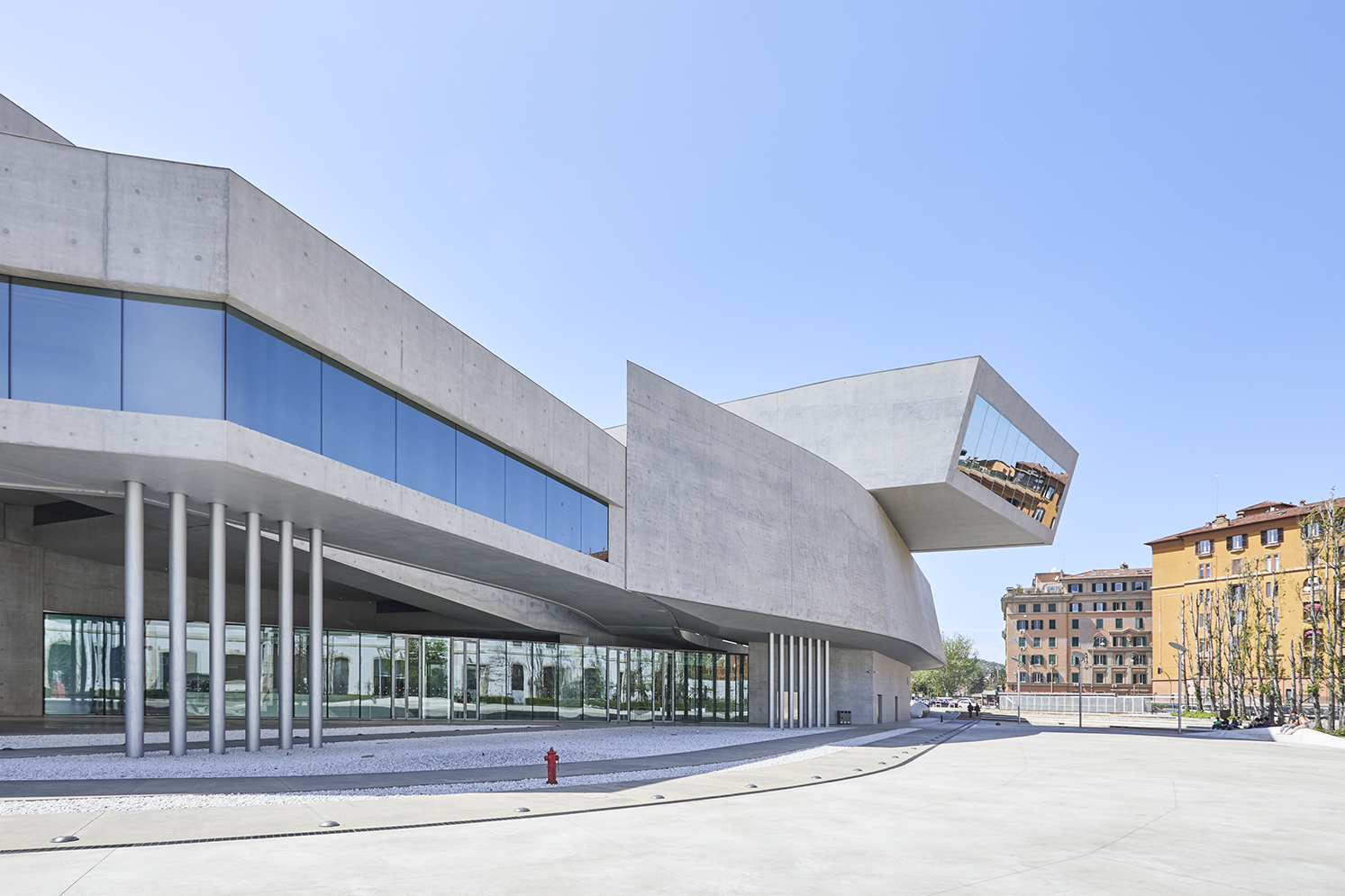
The MAXXI is the first national museum dedicated to contemporary creativity. Conceived as a great campus for culture, it was designed by Zaha Hadid, winner of an international competition, and stands as a major architectural work with innovative and spectacular forms. It produces and hosts exhibitions of art, architecture, design, and photography, as well as projects in fashion, film, music, theater and dance performances, lectures, and meetings with artists, architects, and leading figures of our time. The Collection is on display with free admission from Tuesday to Thursday, with works on rotation. MAXXI is much more than a museum: it is an open platform for all languages of creativity, a place of encounter, exchange, and collaboration, a space open to everyone, a laboratory of ideas and of the future. The program of activities — exhibitions, workshops, conferences, labs, performances, screenings, educational projects — reflects MAXXI’s vocation to be not only a place for preserving and exhibiting heritage, but also, and above all, a laboratory of experimentation and cultural innovation, of study, research, and the production of the aesthetic content of our time. MAXXI’s home is the great architectural work, with its innovative and spectacular forms, designed by Zaha Hadid in Rome’s Flaminio district.
Photo © Cinzia Capparelli, courtesy Fondazione MAXXI -
Museion
Bolzano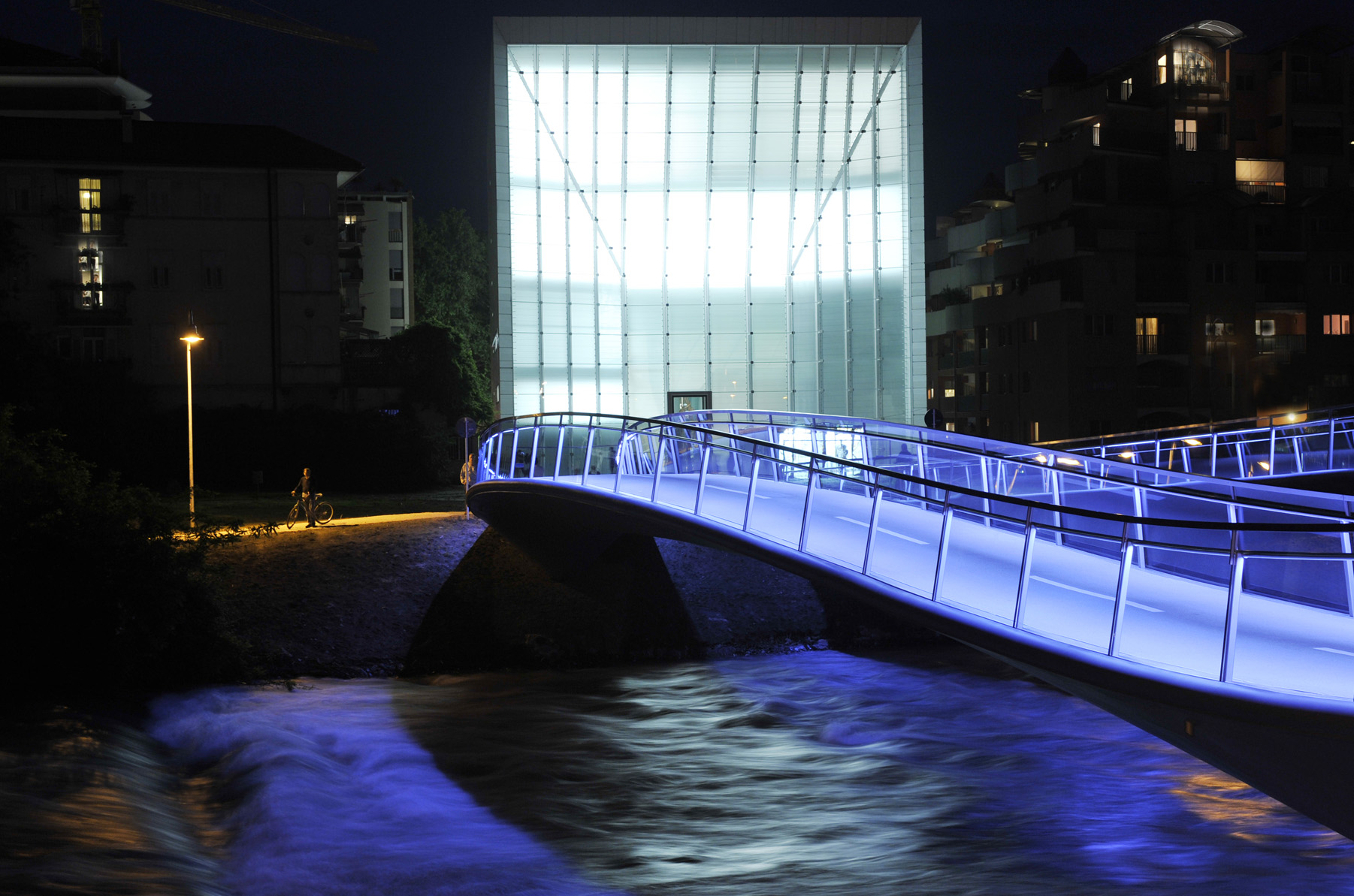
Museion is the museum of modern and contemporary art in Bolzano. It promotes contemporary art and culture in South Tyrol from an international perspective, creating connections between artists, the public and the local area. Through exhibitions, its collection and public programmes, Museion interprets cultural heritage as a living force in constant evolution, capable of stimulating creativity, critical thinking and new perspectives on the contemporary world. Open and inclusive, the museum evolves alongside society and its transformations.
Photo © Othmar Seehauser -
Museo del Novecento
Milano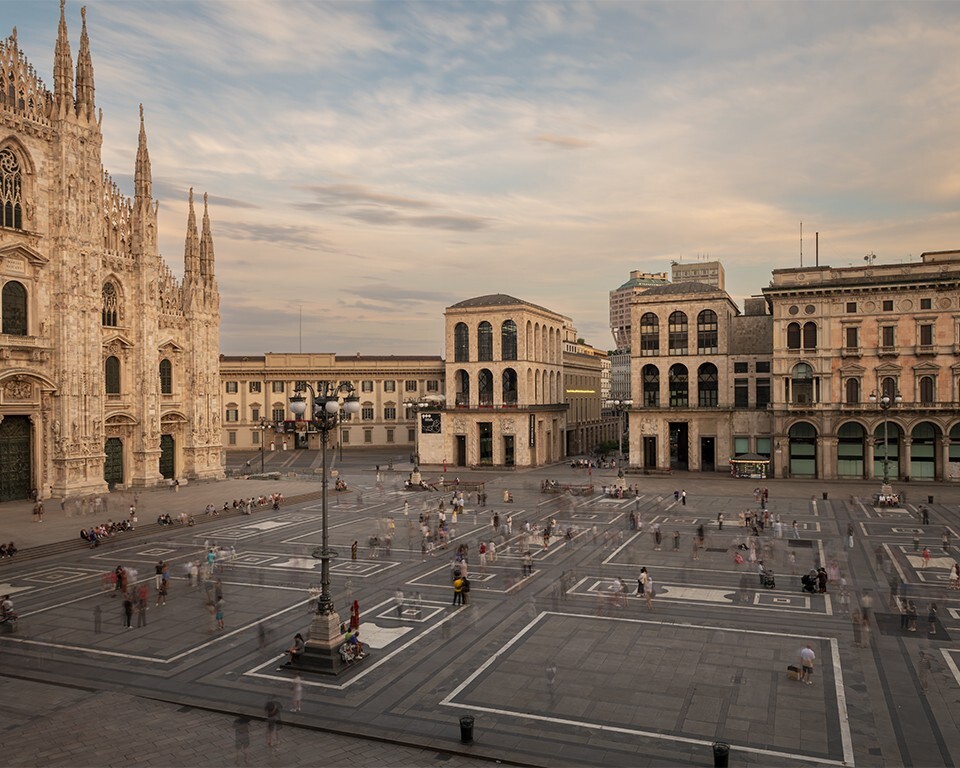
With more than 300 works on display, the Museo del Novecento traces the development of twentieth-century Italian art through a chronological and thematic exhibition path. The narrative begins with the collection devoted to Futurism and continues with the Contested Modernities gallery, featuring works from Metaphysical Art, the School of Paris, and the section dedicated to Marino Marini. The gallery devoted to Lucio Fontana presents two of his celebrated environmental installations—Spatial Ceiling (Soffitto spaziale) and Neon Structure (Struttura al Neon)—alongside a selection of works created between the 1930s and the 1960s. The Sign and Matter gallery explores the languages of abstraction and Art Informel developed during the 1950s and 1960s. The exhibition concludes with the Gestures and Processes gallery, guiding visitors through the major artistic developments from the late 1960s to the early 1990s.
-
Museo Marino Marini
Firenze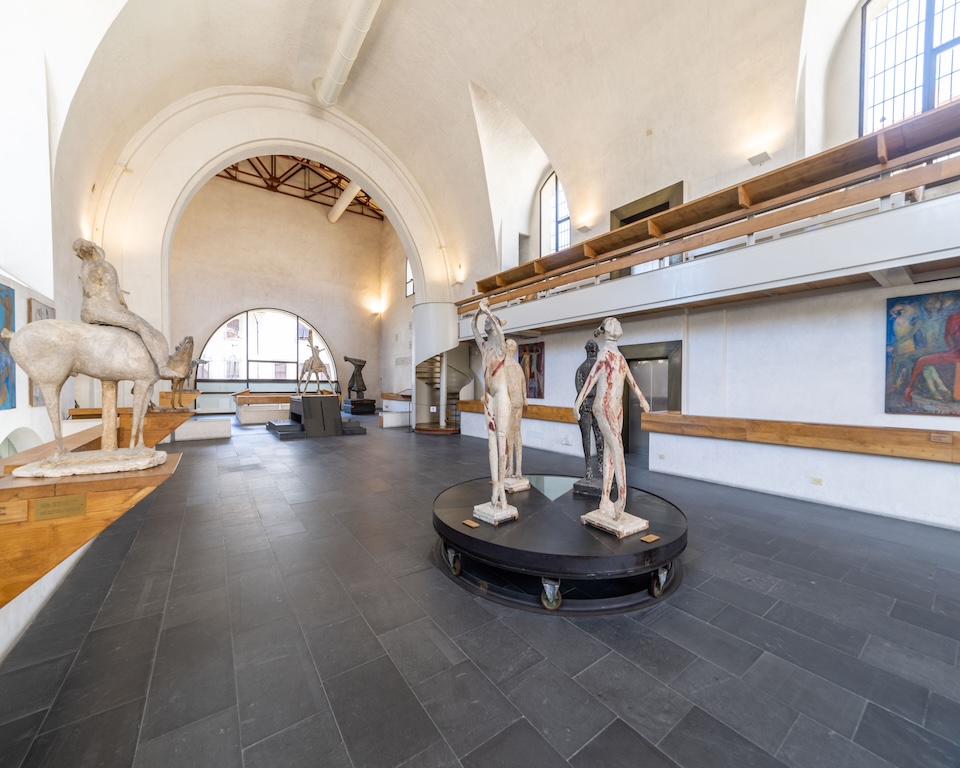
The Marino Marini Museum in Florence, housed in the ancient church of San Pancrazio, is dedicated to the work of Marino Marini (1901–1980), one of the leading exponents of twentieth-century sculpture. The exhibition layout, designed by architects Bruno Sacchi and Lorenzo Papi, brings together sculptures, paintings, drawings and prints that illustrate the evolution of the artist’s output, highlighting the dialogue with the historic spaces. The museum also includes the Rucellai Chapel, designed by Leon Battista Alberti, one of the most significant examples of Renaissance architecture in Florence.
-
Musma
Matera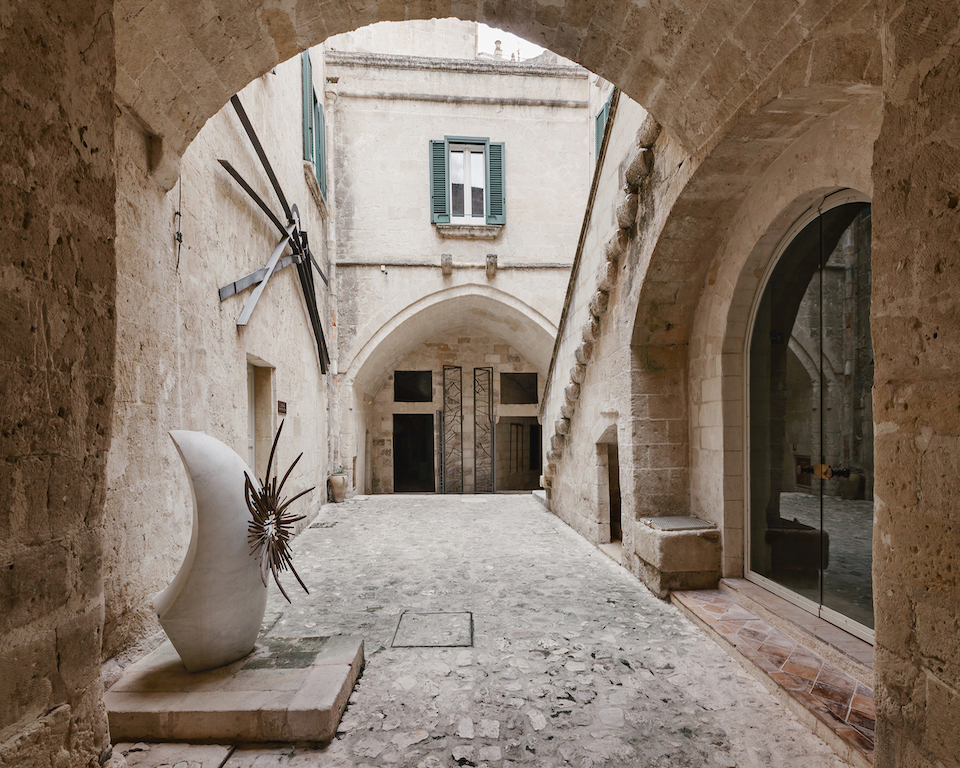
MUSMA – the Museum of Contemporary Sculpture Matera – is housed in Palazzo Pomarici, in the heart of the Sassi of Matera. Unique in the world for its rock-hewn spaces, it is Italy’s most important museum entirely dedicated to sculpture. The museum illustrates the history of Italian and international sculpture from the late nineteenth century to the present day through a rich body of works: sculptures, ceramics, medals, jewellery, drawings, prints and artists’ books. It is further enriched by a collection of monographs, art catalogues, literary and critical texts, original photographs and documents.
Photo © Pierangelo Laterza -
Nivola
Orani (NU)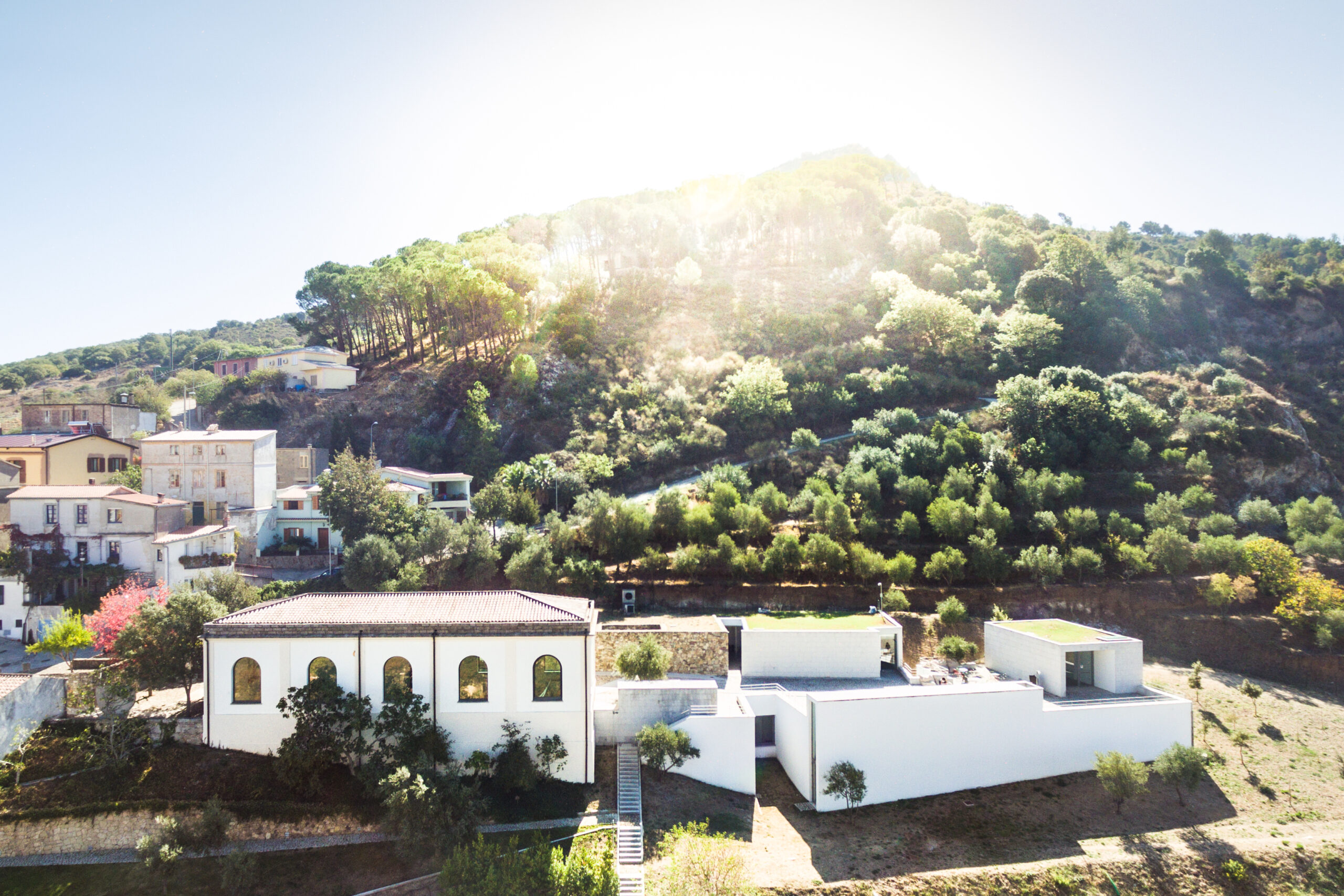
The Nivola Museum in Orani, in the province of Nuoro, is dedicated to Costantino Nivola (1911–1988). Founded in 1995 and run by the Foundation of the same name, it safeguards and promotes his research through exhibitions, residencies and projects exploring contemporary art. The building, arranged in three sections along the hillside, was designed by Peter Chermayeff, with later work by Crisci and Floris. A monographic museum and a lively workshop where art, architecture and landscape converse, it also engages the local community. The permanent collection, displayed on rotation, includes hundreds of sculptures, paintings, drawings and the artist’s celebrated sandcasts.
Photo © Cédric Dasesson -
PAC Milano
Milano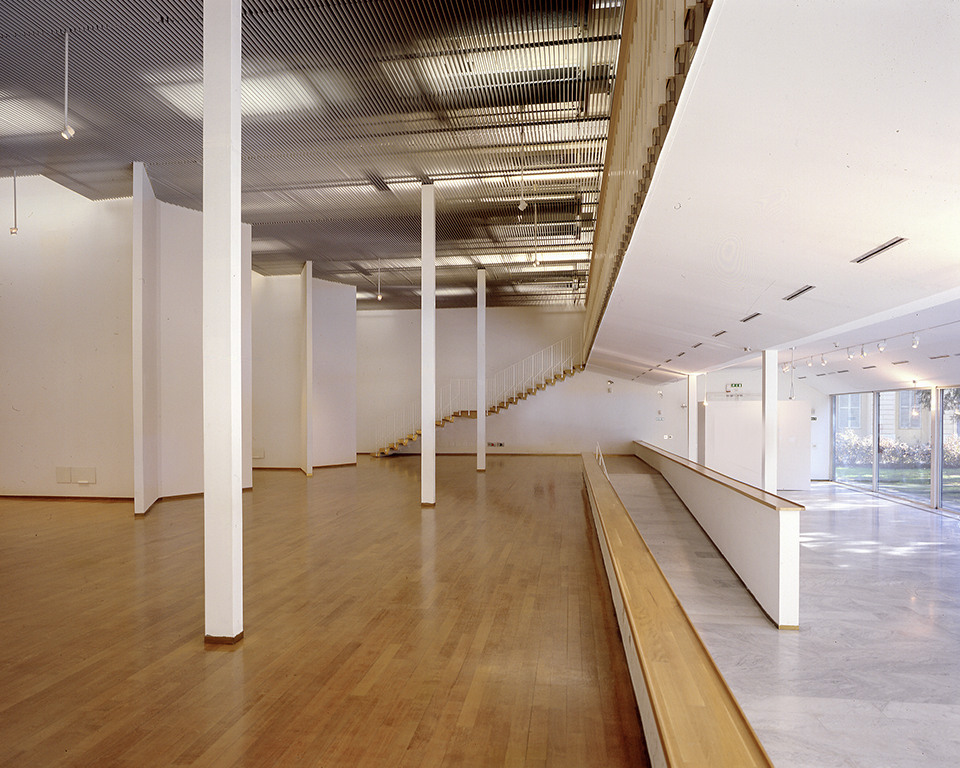
The PAC Padiglione d’Arte Contemporanea is the public space dedicated to contemporary art in Milan. Designed by Ignazio Gardella in 1954, the PAC is one of the first examples in Italy of an exhibition space conceived specifically for contemporary art, inspired by the European Kunsthalle model. Its spacious, light-filled interiors have drawn the public since 1979, hosting exhibitions, publications and activities designed to engage audiences of all ages. For over four decades, the PAC has built its reputation as an institution exploring the national and international art scene, following the paths of experimentation and research.
-
Palazzo Fabroni
Pistoia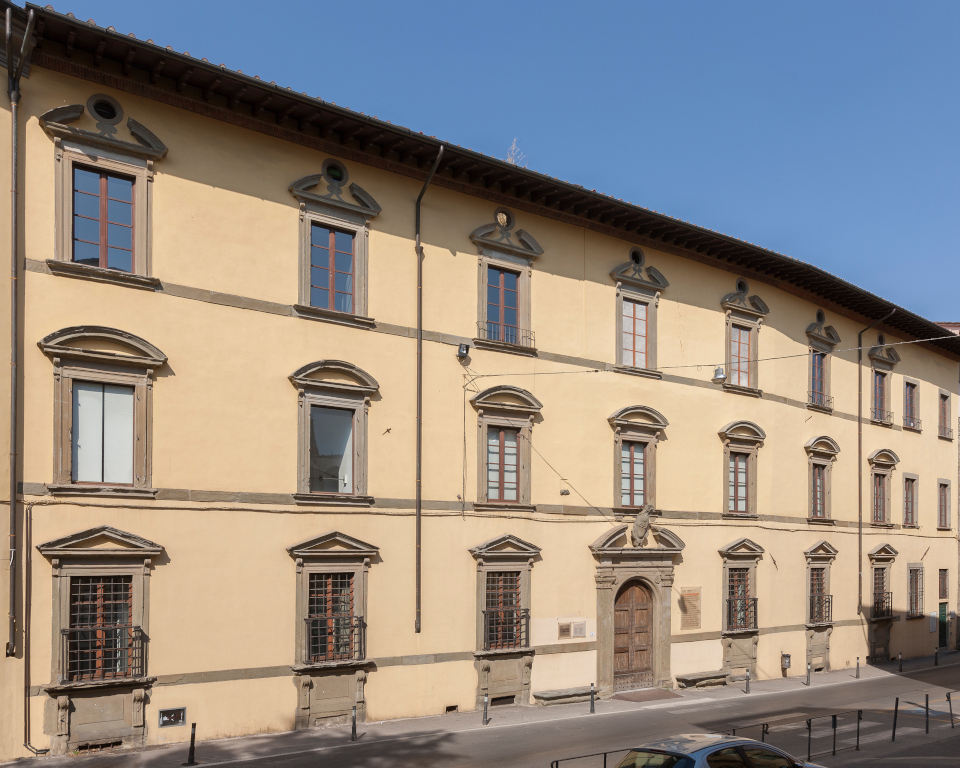
The Museo del Novecento e del Contemporaneo di Palazzo Fabroni, named after the noble Pistoiese family who lived in the building until 1842, houses the permanent collection of modern and contemporary art belonging to the Municipality of Pistoia. Made up of original civic holdings, acquisitions and donations, the collection offers a journey through the artistic landscape from the 1920s to the present day. The rooms on the second floor are reserved for temporary exhibitions. At the rear of the building, the outdoor space was completely redesigned between 2019 and 2021 as a contemporary ‘designer garden’.
Photo © George Tatge